Cabinet
Client

Project
UX/UI + Graphic Design
Year
2024
Overview
Cultural heritage conservation has a language problem. Specialized terminology that varies across languages and contexts, makes it difficult for students, professionals, and institutions to communicate effectively. Furthermore, most existing resources are static PDFs or scattered across different platforms, so the terminology feels inaccessible and disconnected.
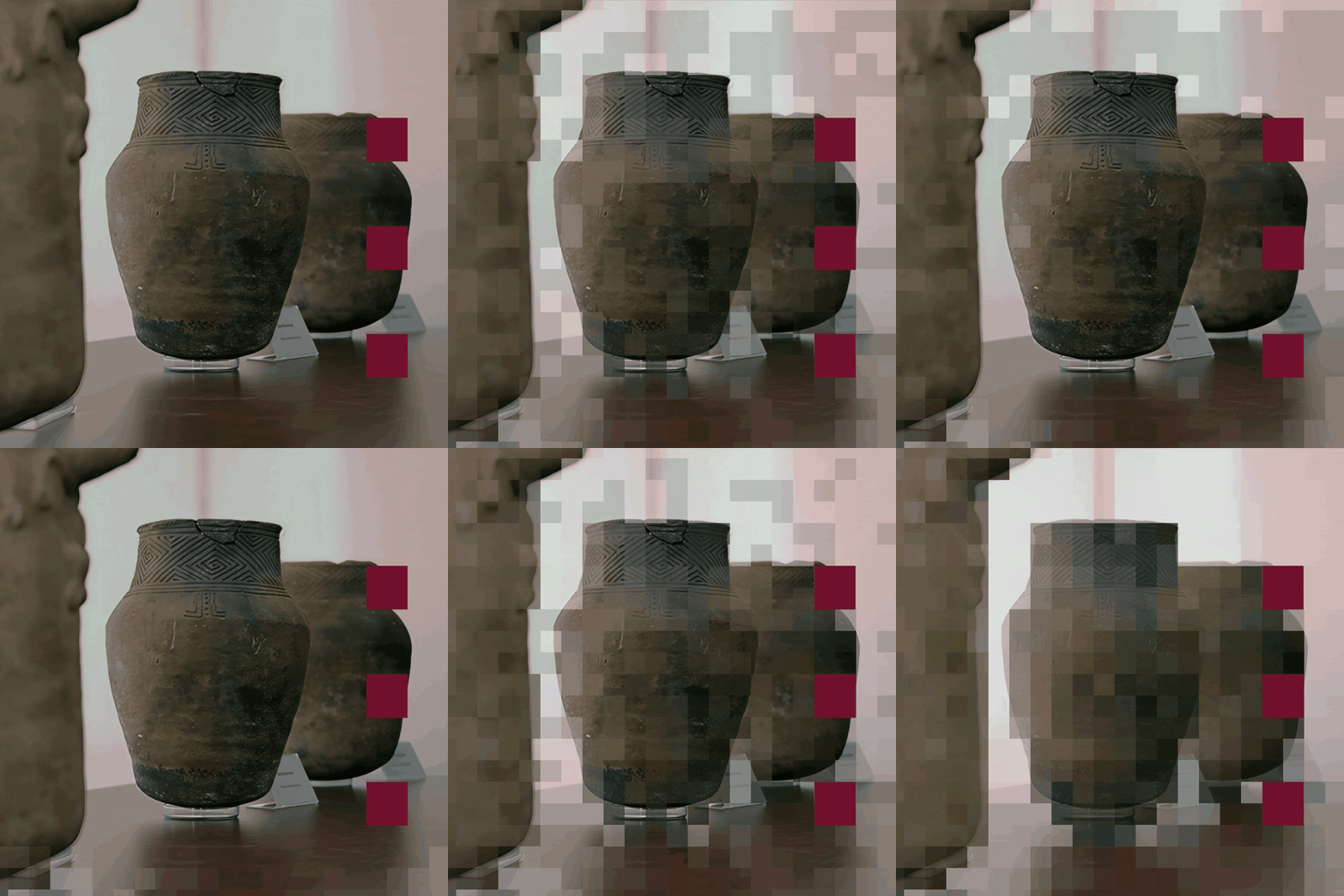
Through brand identity and web design this project aims to make specialized knowledge more accessible. I designed a complete visual identity and digital glossary system for a teaching innovation project at Universidad Complutense de Madrid, creating tools that help people understand conservation terminology across five languages.
The Result
The project had to work within the university's existing infrastructure, which created specific constraints. This means: no custom CMS, limited control over web implementation and everything had to be maintainable by faculty without design backgrounds. The project was also part of a larger teaching initiative, which meant the solution needed to support future expansion without requiring constant redesign.
Cabinet's identity
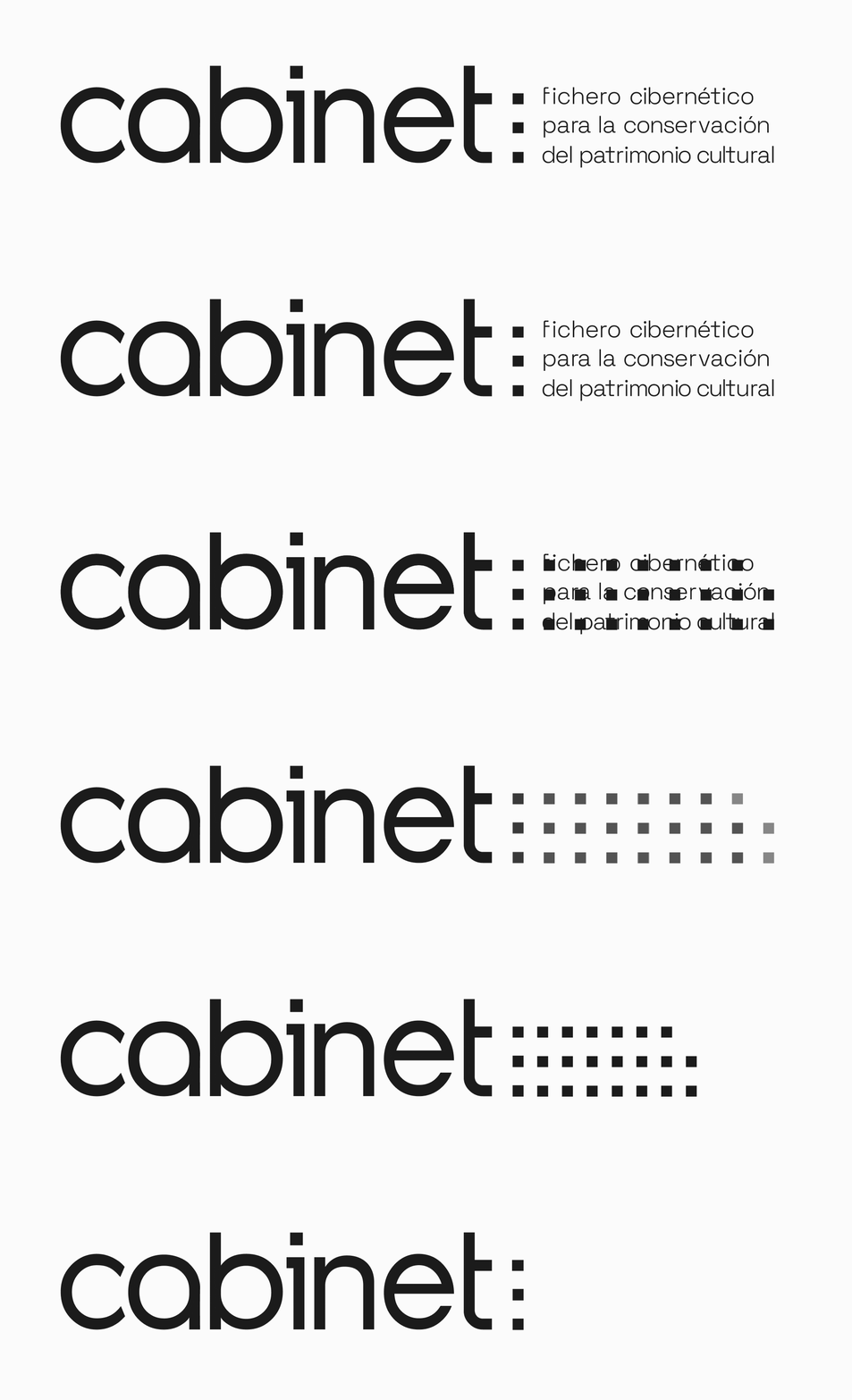
After exploring different approaches, the team and I settled on "Cabinet" as the name. It clearly represents what the project is: a place where related contents are stored and organized. Being an English word also reinforces its international reach and connects to the glossary's multilingual nature across five languages. From there, I developed the complete visual identity.
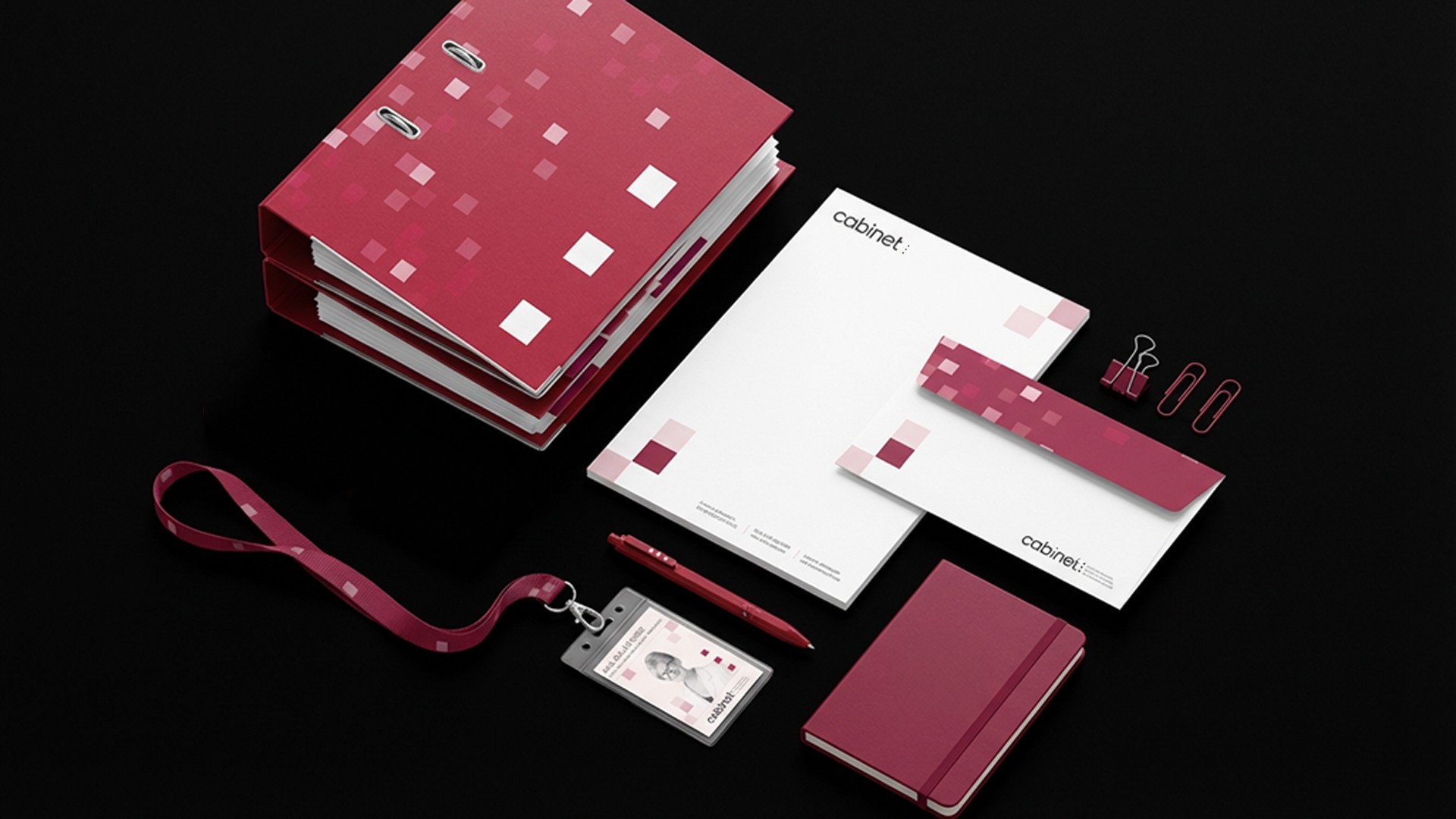
The digital glossary
The glossary needed to work for people at different stages of familiarity with conservation terminology. I designed two complementary navigation systems: an alphabetical index for those who've encountered a term and want to understand it, and category-based browsing for those exploring a topic area without knowing specific terminology yet. Each term page includes definitions in five languages, properly cited references, and visual examples, all built within UCM's web system using components that faculty can maintain as they expand the glossary.